
Lares Trek to Machu Picchu: Villages, Hot Springs & Culture (2026)
If the Inca Trail is about ruins and the Salkantay is about mountains, the Lares Trek is about people. It winds through remote Quechua villages where alpaca herding, potato farming and traditional weaving are still daily life — with hot springs to soak in along the way. It’s the trek to choose when you want authentic Andean culture more than another archaeological site, and it doesn’t need a permit.
Here’s how the Lares Trek works.
Quick Answer
- Length: usually 3–4 days (some 5-day versions), ending at Machu Picchu via train.
- Difficulty: moderate — often called the least demanding of the treks, but it still crosses a high pass (~4,800 m).
- The draw: traditional villages, alpaca herders, weavers, and the Lares hot springs.
- Permit: none needed (unlike the Inca Trail) — but you still book the Machu Picchu ticket and train ahead.
What Makes Lares Different
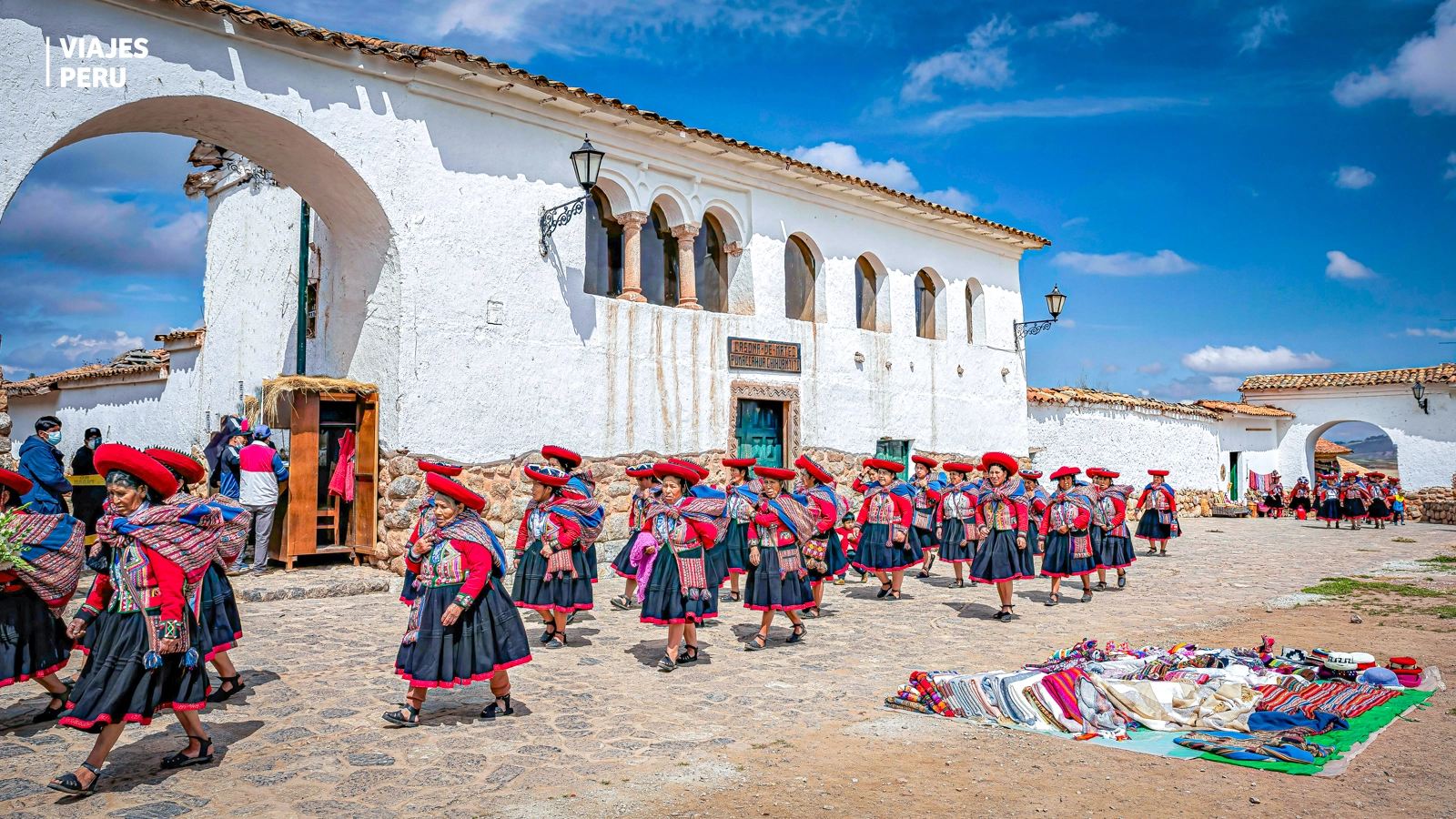
The Lares Trek has few ruins — and that’s the point. Instead of archaeology, its highlight is genuine cultural immersion: the trail passes directly through living Quechua communities like Huacahuasi, Cuncani and Cancha Cancha, where traditional dress, farming and herding continue much as they have for centuries. Many trips include visits with weaving families, so it’s a people-first experience.
It also starts near the Lares hot springs — natural thermal pools (roughly 36–44 °C) that locals have used for generations, a perfect soak before or after the walk.
Difficulty & Altitude
Lares is considered moderate — physically the gentlest of the classic Machu Picchu treks in terms of terrain — but don’t underestimate the altitude. The highest point (Sicllakasa / Ipsaycocha area) reaches roughly 4,800 m, high enough to feel the thin air, so acclimatization still matters.
Spend 2–3 days in Cusco and the Sacred Valley first, and read our altitude sickness in Cusco guide. Days involve several hours of walking at altitude, but without the relentless steep climbs of Salkantay or the Classic Inca Trail.
A Typical Itinerary (3–4 days)
- Day 1: Drive from Cusco to the Lares valley (with a stop in the Sacred Valley and often the hot springs), then hike to the first camp, passing herding communities.
- Day 2: The big day — cross the high pass (~4,800 m) past turquoise mountain lakes, then descend to camp near a village.
- Day 3: Walk out, transfer to Ollantaytambo, and take the train to Aguas Calientes.
- Day 4: Guided tour of Machu Picchu, then return to Cusco.
Exact routes vary by operator; some run it as 3 days, others as 4–5.
Lares vs the Inca Trail
- Lares: no permit, more cultural, gentler terrain, few ruins, reaches Machu Picchu by train.
- Inca Trail: permit-required and sells out, more ruins, the Sun Gate arrival, tougher.
If you couldn’t get an Inca Trail permit or you prefer culture and flexibility over the historic path, Lares is an excellent swap. See how it stacks up against the others in our Inca Trail alternatives comparison.
Best Time & What to Bring
The dry season (May–September) is best for clear passes and stable trails. It’s a camping trek with cold nights at altitude and warm days, so pack layers, a warm sleeping bag, sun protection and broken-in boots — the Salkantay packing list applies directly. Bring a swimsuit for the hot springs.
How to Book
At Viajes Peru Tour we run the Lares Trek with guides, camping, meals and the village visits that make it special — plus the Cusco acclimatization days, the train, and your Machu Picchu ticket, all arranged. Tell us your dates and preferred length (3, 4 or 5 days).
Check Lares Trek availability →
Frequently Asked Questions
What is the Lares Trek? A 3–4 day trek through the Lares valley to Machu Picchu, known for remote Andean villages, alpaca herders, weavers and hot springs rather than ruins. It ends at Machu Picchu via train and needs no special permit.
How difficult is the Lares Trek? Moderate — often called the least demanding of the Machu Picchu treks in terrain, but it crosses a high pass around 4,800 m, so altitude is a real factor. Acclimatize first.
Does the Lares Trek need a permit? No. Unlike the Classic Inca Trail, Lares doesn’t require a trail permit. You do still need to book your Machu Picchu entrance ticket and train well in advance.
How high is the Lares Trek? The highest pass reaches roughly 4,800 m. Most camping is lower, but the altitude is enough to affect unacclimatized hikers.
Are there hot springs on the Lares Trek? Yes — the Lares hot springs (about 36–44 °C) are a highlight, often visited at the start of the trek.
Lares or the Inca Trail? Choose Lares for culture, flexibility and no permit hassle; choose the Inca Trail for ruins and the historic Sun Gate arrival (if you can book 6–8 months ahead).