

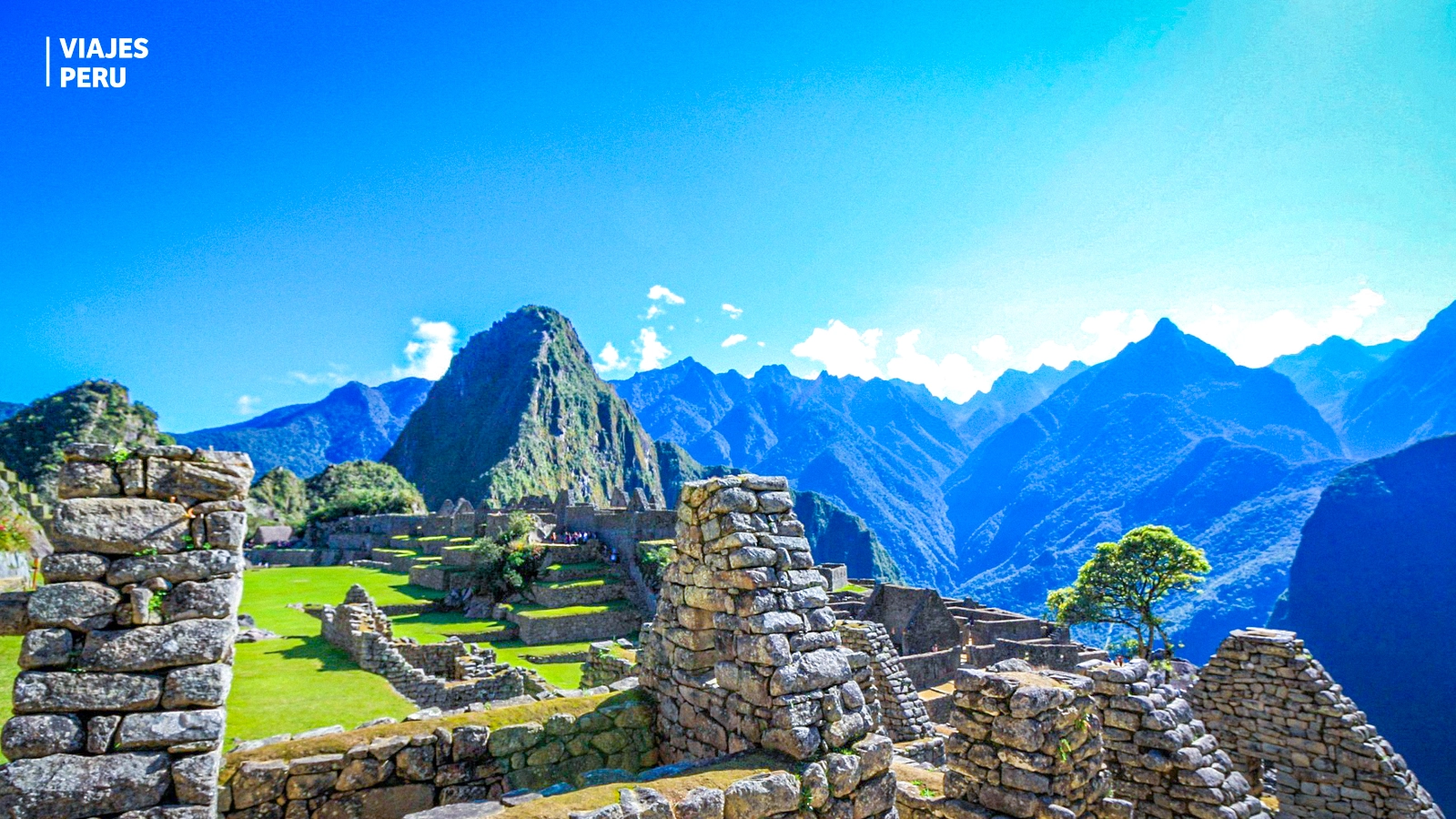
Best Time to Visit Machu Picchu: Month by Month (2026)
Machu Picchu is open year-round, and there’s no month where you simply shouldn’t go. But there’s a big difference between arriving in a clear, quiet October morning and shuffling through a packed July viewpoint — or watching clouds swallow the citadel in February.
The trade-off is always the same: the driest months are the most crowded, and the quietest months are the wettest. Here’s how to find your sweet spot.
Quick Answer
- Best overall balance: May and October — dry-season clarity without peak-season crowds.
- Clearest skies, most people: June to August (book 2–3 months ahead).
- Fewest crowds, most rain: January and February.
- Underrated: April (green landscapes, rain easing, crowds still low) and September.
The Two Seasons
Dry season (May–October): Clear skies, minimal rain, the best odds of that crisp postcard view. This is also high season, so expect more visitors and tighter ticket availability.
Wet season (November–April): Warm, humid, with frequent showers — heaviest in January and February. Far fewer people, lush green surroundings, and dramatic mist over the ruins. Trails get muddy and views are hit or miss.
Machu Picchu sits at about 2,430 m — noticeably lower and warmer than Cusco. Temperatures stay mild year-round, roughly 10–27 °C (50–80 °F), so it’s rarely about cold; it’s about rain and crowds.
Month by Month
| Month | Weather | Crowds | Verdict |
|---|---|---|---|
| January | Wet, heaviest rain | Lowest | Green and empty, but views unreliable |
| February | Wettest month | Lowest | Inca Trail closed; citadel open |
| March | Rain easing | Low | Lush, improving odds |
| April | Drying out, ~20 °C | Low–moderate | Underrated sweet spot |
| May | Dry, clear | Moderate | One of the two best months |
| June | Dry, clear | High | Excellent weather, book early |
| July | Driest, clearest | Peak | Best skies, most people |
| August | Dry, clear | Peak | Same as July |
| September | Mostly dry | Moderate | Crowds thinning, great value |
| October | Dry, clear | Low–moderate | One of the two best months |
| November | Showers returning | Low | Transitional, still decent |
| December | Wet, lush | Low–moderate | Green; holiday bump late in month |
Why May and October Win
Both sit right at the edge of the dry season. You get the clear mornings and reliable views of peak season, but the July–August crowds haven’t arrived (May) or have already left (October). Ticket and train availability is easier, and the landscape is still green from the rains rather than dusty.
If we had to pick one month for a first visit, it would be October — clear skies, thinner crowds, and a noticeably calmer citadel.
If You Can Only Travel in Peak Season
June through August is genuinely spectacular — the clearest skies of the year. You just have to plan like it:
- Book your entrance ticket and circuit 2–3 months ahead (see our Machu Picchu tickets 2026 guide).
- Book the train early too — the good departures go first (train options here).
- Take the earliest entry slot you can. The citadel is dramatically quieter before mid-morning.
- If you want Huayna Picchu, book 3–4 months out — it sells out first (comparison here).
If You Travel in the Wet Season
November to April isn’t a write-off — many travelers love it. The ruins in mist are genuinely atmospheric, the terraces are vivid green, and you’ll share the site with a fraction of the crowd.
Just go in with the right expectations: pack a proper rain jacket, accept that some mornings will be clouded in, and build a spare day into your itinerary if a clear view matters to you. Mornings are often your best window before afternoon showers.
One key exception: the Classic Inca Trail closes every February for maintenance. The citadel itself stays open, and alternative treks (Salkantay, Inca Jungle) keep running.
Weather vs. Trekking: Not the Same Question
If you’re hiking in rather than taking the train, your calendar is driven by permits, not just weather — and that changes the answer. We break that down separately in Best Month for the Inca Trail, which covers permit availability, the February closure, and how far ahead to book each month.
For the citadel visit by train, this guide is the one to follow.
Time of Day Matters More Than You’d Think
Whatever month you choose, the hour makes a huge difference. Early entry slots give you softer light, thinner crowds, and a better chance of clear conditions before clouds build. Late afternoon is the second-best window, once the day-trip groups have gone.
If you’re doing a same-day round trip from Cusco, your entry hour is dictated by the train — see Can You Do Machu Picchu in One Day from Cusco? for the realistic timeline.
How to Book
At Viajes Peru Tour we’ll tell you honestly what to expect for your travel dates — crowd levels, weather odds, and which entry hour to target — then book the ticket, circuit, train and guide around it. Tell us your month and we’ll build the day.
Check availability for your travel dates →
Frequently Asked Questions
What is the best month to visit Machu Picchu? May and October offer the best balance of dry weather and manageable crowds. July and August have the clearest skies but the biggest crowds; January and February are quietest but wettest.
What is the rainy season at Machu Picchu? November through April, with the heaviest rain in January and February. Expect warm, humid weather and frequent showers, often in the afternoon.
Is Machu Picchu open all year? Yes, the citadel is open year-round. However, the Classic Inca Trail closes every February for maintenance; alternative treks and the citadel itself remain open.
How cold does it get at Machu Picchu? It’s milder than Cusco. Temperatures generally range from about 10 °C to 27 °C (50–80 °F) year-round, so rain — not cold — is the main weather consideration.
When is Machu Picchu least crowded? January and February, during the height of the rainy season. For a better crowd-to-weather trade-off, choose October or May.
How far in advance should I book? Two to three months for most dates, and three or more for peak season (June–August) or if you want Huayna Picchu, which has only about 350 tickets a day.