
The Classic Inca Trail to Machu Picchu: Complete 4-Day Guide (2026)
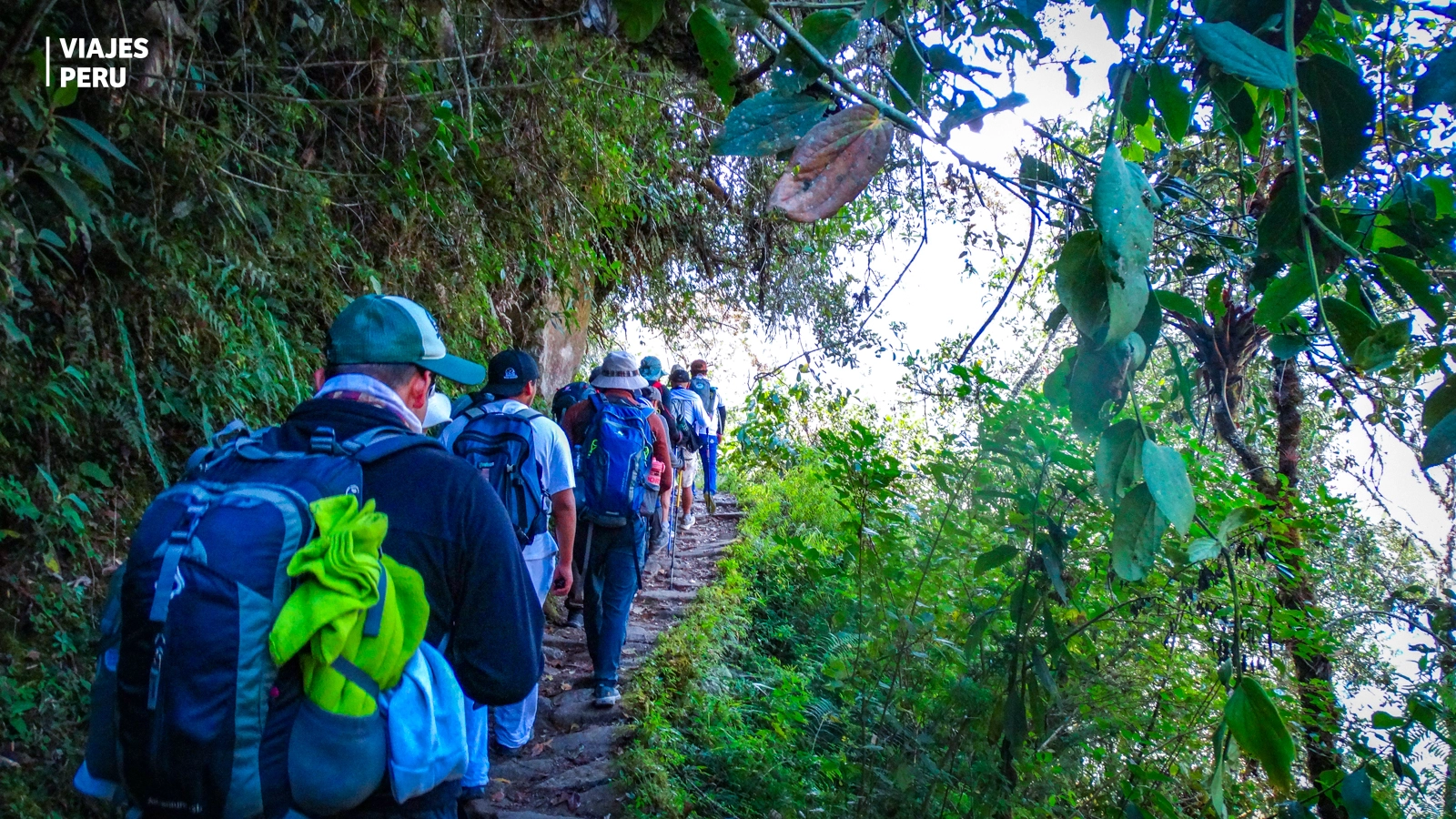
The Classic Inca Trail is the most famous trek in South America — four days on original Inca stone paths, over high passes and past cloud-forest ruins, arriving at Machu Picchu through the Sun Gate at dawn. It’s a bucket-list hike, but it comes with strict rules: a daily permit cap, a licensed-operator requirement, and a booking window that catches people out.
Here’s everything you need to know to walk it in 2026.
Quick Answer
- Length: 4 days / 3 nights, about 42 km (26 mi), camping along the way.
- Difficulty: challenging — 6–9 hours of walking a day with sustained climbs at altitude.
- Highest point: Dead Woman’s Pass (Warmiwañuska), 4,215 m.
- The reward: arriving at Machu Picchu via the Sun Gate (Inti Punku).
- Permits: capped at 500/day (including staff), licensed operator required, and it closes every February.
- Book: 6–8 months ahead for peak season.
What Makes It Special
Unlike the alternative treks, the Classic Inca Trail walks the actual stone road the Incas built to Machu Picchu, passing a string of sites you can only reach on foot — and finishing with the ceremonial approach through the Sun Gate, where the citadel appears below you at first light. No other route ends this way.
The Route, Day by Day
Day 1 — Km 82 to the first camp
An easier start: cross the Urubamba River at Km 82 and walk gentle-to-moderate terrain past the ruins of Llactapata, camping around 3,000 m. A good day to find your rhythm.
Day 2 — Dead Woman’s Pass
The hardest day. A long climb to Warmiwañuska (Dead Woman’s Pass) at 4,215 m — the trek’s high point — then a steep descent to camp. Slow and steady wins here; the altitude, not the distance, is the challenge.
Day 3 — The ruins day
The most scenic stretch: over more passes and past the Inca sites of Runkurakay, Sayacmarca, Phuyupatamarca and Intipata, through cloud forest to the beautiful ruins of Wiñay Wayna, near the final camp.
Day 4 — The Sun Gate & Machu Picchu
An early start to reach Inti Punku (the Sun Gate) and your first view of Machu Picchu spread out below, then descend into the citadel for a guided tour.
Permits: The Part You Can’t Skip
The Inca Trail is the most tightly controlled trek in Peru:
- 500 permits per day total — and that includes guides, porters and cooks, so trekker spots are far fewer.
- Licensed operators only. Independent trekking is prohibited; you must go with an authorized company that arranges permits, guides and porters.
- Permits are non-transferable and tied to your passport.
- It closes every February for maintenance — plan around it (alternatives stay open).
Because of the cap, permits for peak months sell out fast.
How Far Ahead to Book
- Peak season (May–October): 6–8 months in advance.
- Shoulder months: 2–4 months.
- Never assume last-minute availability — this is the one trek where booking early is non-negotiable. For the weather-and-permits calendar, see best month for the Inca Trail.
How Hard Is It, Really?
It’s a genuine challenge, not a casual walk: 6–9 hours a day, big ascents and descents, and the altitude of Dead Woman’s Pass. You don’t need to be an athlete, but you do need reasonable fitness and — crucially — to acclimatize in Cusco and the Sacred Valley for 2–3 days first. See our altitude sickness in Cusco guide. For what to bring, the Salkantay packing list applies closely.
Classic Inca Trail vs the Alternatives
Can’t get a permit, or want a different experience? The main alternatives:
- Short Inca Trail (2 days) — the final, most scenic section including the Sun Gate, with more availability.
- Salkantay Trek — higher, wilder, permit-free.
- Inca Jungle Trek — biking, rafting and ziplining, budget-friendly and permit-free.
If you don’t want to trek at all, you can simply take the train.
How to Book
At Viajes Peru Tour we run the Classic Inca Trail as a licensed operator — permits, guides, porters, meals and camping handled — and we build in the Cusco acclimatization days that make it enjoyable rather than brutal. Because permits sell out months ahead, tell us your target dates early and we’ll secure them.
Check Inca Trail permit availability for your dates →
Frequently Asked Questions
How long is the Classic Inca Trail? Four days and three nights, covering about 42 km (26 miles), camping each night and arriving at Machu Picchu on the fourth morning.
How hard is the Inca Trail? Challenging — 6 to 9 hours of walking a day with big climbs, topping out at Dead Woman’s Pass (4,215 m). Reasonable fitness and 2–3 days of acclimatization beforehand are essential.
Do I need a permit for the Inca Trail? Yes. Permits are capped at 500 per day (including staff) and must be booked through a licensed operator — independent trekking isn’t allowed. They’re tied to your passport and non-transferable.
How far in advance should I book the Inca Trail? Six to eight months for peak season (May–October); two to four months for shoulder periods. Peak permits sell out fast.
Is the Inca Trail open in February? No — the Classic Inca Trail closes every February for maintenance. The citadel and alternative treks (Salkantay, Inca Jungle, Short Inca Trail) remain open.
What if I can’t get an Inca Trail permit? Consider the Short Inca Trail (2 days, includes the Sun Gate), the Salkantay or Inca Jungle treks (permit-free), or simply take the train to Machu Picchu.