
Humantay Lake & Altitude Sickness: How to Acclimatize Safely (2026)
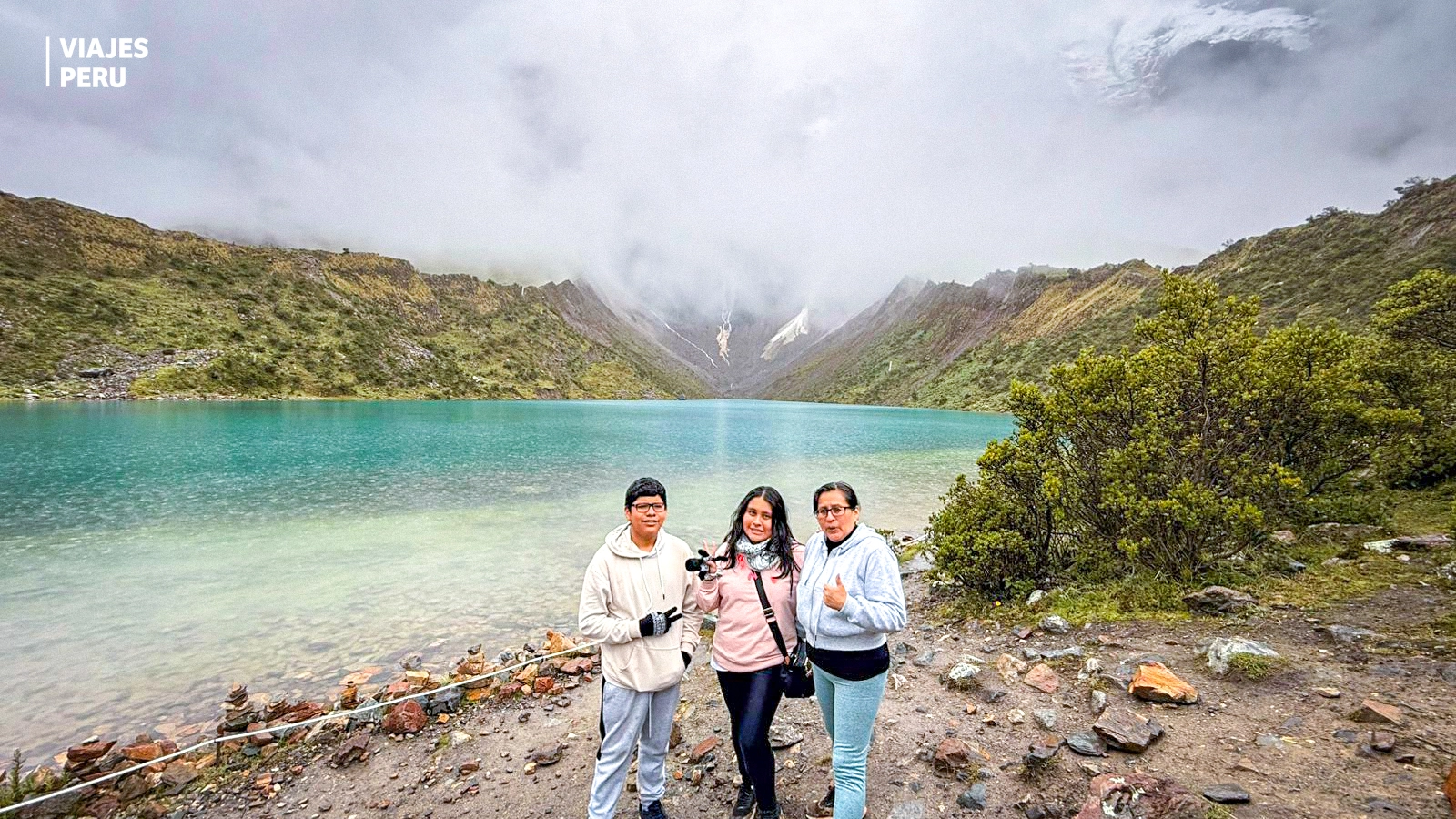
Humantay Lake is one of the most rewarding day hikes near Cusco — a turquoise glacial lake framed by snow peaks. But it sits at 4,200 m (13,780 ft), and the single biggest reason people have a miserable day here isn’t fitness. It’s altitude.
The good news: altitude sickness at Humantay is largely preventable. This guide walks you through exactly how to prepare, what to do on the day, and how to recognize when something’s wrong.
Why Humantay Hits Hard
At 4,200 m, the air holds roughly 40% less oxygen than at sea level. The trailhead (Soraypampa) is already around 3,900 m, and you climb steadily from there. For most visitors arriving from low elevations, that’s a big jump — and the body needs time it usually hasn’t had.
This is why so many travelers feel fine in Cusco, then struggle on the trail: the lake is nearly 800 m higher than the city.
The One Rule That Matters Most: Acclimatize in Cusco First
If you do nothing else, do this. Spend at least two full days in Cusco (3,400 m) before attempting Humantay Lake. Three is better.
During those days:
- Take it easy. Gentle walking around the city is ideal — no strenuous hikes yet.
- Hydrate constantly. Drink far more water than feels natural.
- Skip alcohol and heavy meals. Both make acclimatization harder.
- Try coca tea. It’s the traditional Andean remedy and genuinely helps many people settle in.
Arriving in Cusco and heading to Humantay the next morning is the classic mistake. Give your body the days it needs.
Recognizing Altitude Sickness (Soroche)
Mild altitude sickness — known locally as soroche — is common and usually manageable. Symptoms typically appear within the first 24 hours at altitude and include:
- Headache (the most common sign)
- Nausea or loss of appetite
- Dizziness or lightheadedness
- Shortness of breath
- Fatigue and trouble sleeping
Mild symptoms are not dangerous on their own, but they’re your body asking you to slow down. Take them seriously.
On the Day: How to Hike It Safely
Go slow. This isn’t a race. A steady, slow pace lets your body keep up with the oxygen demand. Guides set a gradual pace for exactly this reason — stay with it.
Breathe deliberately. Deep, controlled breaths on the steep sections help more than you’d expect.
Keep drinking water. Dehydration mimics and worsens altitude symptoms.
Carry coca leaves or candy. Many hikers chew coca leaves on the climb; the tour usually provides them.
Layer up. Cold stresses the body further. Mornings at the lake are frigid even in dry season.
Don’t push through severe symptoms. Turning back is always the right call if you feel genuinely unwell.
Should You Take Altitude Medication?
Some travelers take soroche pills (available at Cusco pharmacies) or acetazolamide (Diamox), which is commonly prescribed for altitude. These can help, but they’re not a substitute for proper acclimatization.
We’re a travel agency, not doctors — so the honest advice is to talk to your physician before your trip about whether altitude medication is right for you, especially if you have heart or lung conditions. Don’t self-prescribe based on a blog.
When to Descend
This is the part people ignore until it’s too late. If symptoms become severe — relentless headache that painkillers don’t touch, repeated vomiting, confusion, trouble breathing at rest, or loss of coordination — the only reliable treatment is to descend to a lower altitude immediately. Tell your guide right away. Descending fixes the vast majority of serious cases quickly.
Who Should Be Extra Careful
- Anyone arriving in Cusco and hiking within 24 hours
- Travelers with heart or lung conditions (check with your doctor first)
- People who’ve had bad altitude sickness before
- Anyone who’s been drinking heavily the night before
Pregnant travelers and those with serious medical conditions should get medical clearance before any high-altitude hike.
The Bigger Picture: Plan Your Itinerary Around Altitude
Smart trip planning prevents most problems. A sensible order is: arrive in Cusco, spend 2–3 days acclimatizing (and seeing the city), then build up with progressively higher day trips before tackling the big ones.
For the full Humantay logistics — what to bring, the hike profile, and what the day looks like start to finish — see our complete Humantay Lake day trip guide. If you’re weighing other high-altitude hikes, the Rainbow Mountain vs Red Valley comparison covers similar altitude considerations.
How to Book
At Viajes Peru Tour we build itineraries with acclimatization built in, so you’re not jumping to 4,200 m on day one. We’ll sequence your Cusco days and day trips sensibly and run a steady-paced Humantay hike with coca tea, a guide, and support along the way.
Plan an altitude-smart Cusco itinerary with us →
Frequently Asked Questions
How high is Humantay Lake? About 4,200 m (13,780 ft). The trailhead at Soraypampa sits around 3,900 m, so you climb roughly 300 m to the lake.
How many days should I acclimatize before Humantay Lake? At least two full days in Cusco (3,400 m), ideally three. Hiking Humantay within 24 hours of arriving from sea level is the most common cause of a bad day.
Does coca tea actually help with altitude? Many travelers find coca tea and coca leaves ease mild symptoms, and it’s the traditional Andean approach. It’s not a cure, but it’s widely used and easy to try.
What are the first signs of altitude sickness? Headache is usually first, followed by nausea, dizziness, shortness of breath, and fatigue. Symptoms typically show up within the first 24 hours at altitude.
Can I hike Humantay Lake if I’m not very fit? Yes, many average-fitness travelers do it — but acclimatization matters more than fitness. Go slow, hydrate, and acclimatize properly first.
What should I do if I feel really sick at the lake? Tell your guide immediately and descend. Severe altitude sickness is treated by going to a lower elevation as quickly as possible.